The Hidden Cost of Hype: The Dangers of Fake Engagement and Streaming in the Music Industry
In an industry where numbers often speak louder than sound, the pressure to stand out on digital platforms has driven some artists to take drastic shortcuts. The allure of artificial promotion—fake followers, inflated streams, and manufactured engagement—can seem like a fast track to success. But beneath the glossy facade lies a web of consequences that can derail not only careers, but the integrity of the industry itself.
The Threatin Incident: A Cautionary Tale
In 2018, Jered Threatin became infamous for orchestrating one of the most bizarre stunts in music history. Under the name “Threatin,” he created a fake online fanbase, paid for tens of thousands of social media followers, invented a booking agency, and duped several UK venues into hosting his European tour.
Venues were promised hundreds of ticket sales. In reality? Just a handful of attendees, sometimes as few as two. The aftermath was brutal: tour cancellations, financial losses for venues, embarrassment for supporting acts, and a swift deletion of Threatin’s social presence. The story, once seen as a curious art-rock prank, ended up highlighting how damaging fake engagement can be for all involved.
erosion of Credibility: Easy to Lose, Hard to Regain
When fans discover an artist has inflated their popularity artificially, it can erode the very trust upon which long-term careers are built. Authenticity is more than a buzzword; it’s the foundation of fan loyalty. Without it, artists risk alienating the very people they aim to reach. As seen with Threatin, even a brief burst of notoriety cannot compensate for the long-term damage to credibility.
False Metrics, Hollow Fame
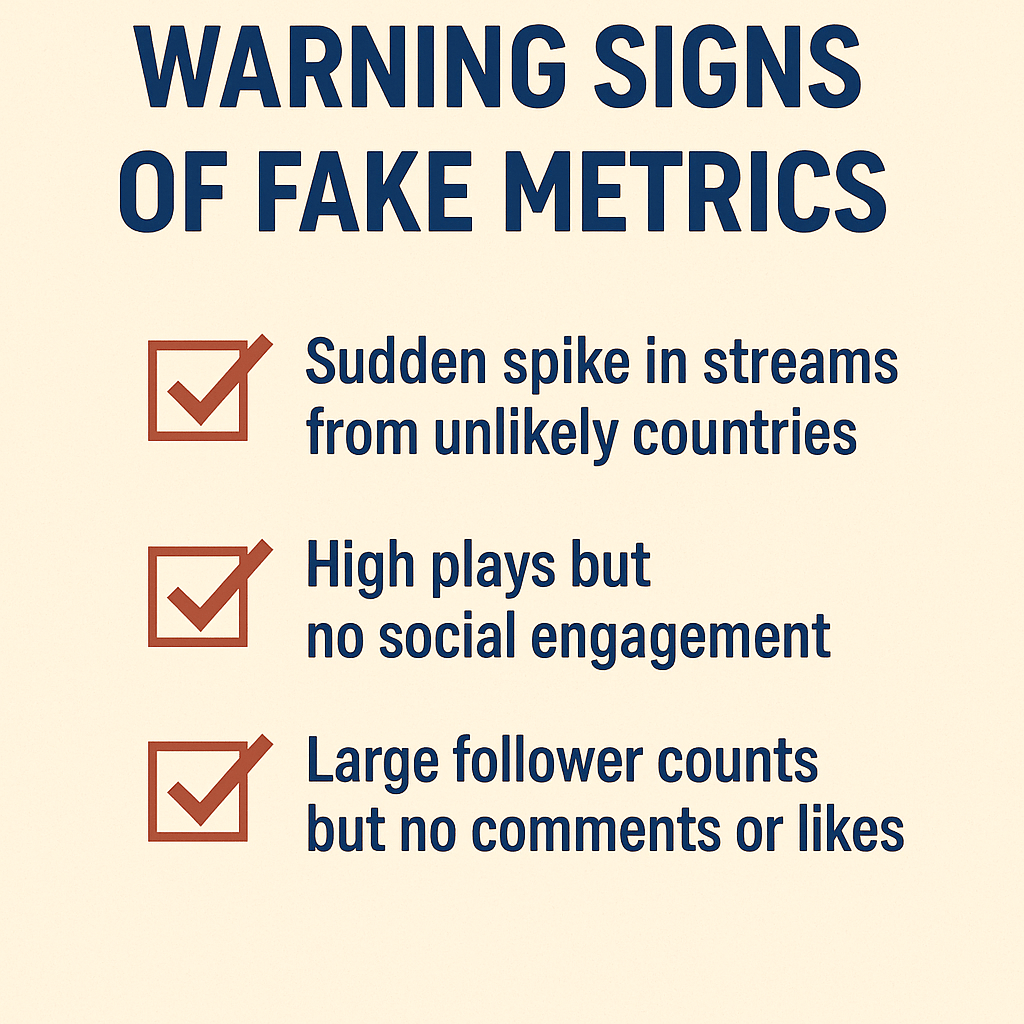
Big numbers may grab attention, but they don’t build careers. Fake streams and bot followers may pad an artist’s profile, but they don’t generate real engagement. No comments. No shares. No ticket sales. Just empty data.
Even legitimate artists have stumbled here. Musician and industry expert Ari Herstand once found himself at the center of controversy when distributor Ditto called him out as an example of playlist fraud. Herstand later clarified that he had mistakenly engaged with a questionable playlisting service and used the experience to educate others about vetting promotional partners carefully—especially those found on platforms like Fiverr. His story is a powerful reminder: even with good intentions, poor choices can have public consequences.
Platform Repercussions: Algorithms Don’t Forget
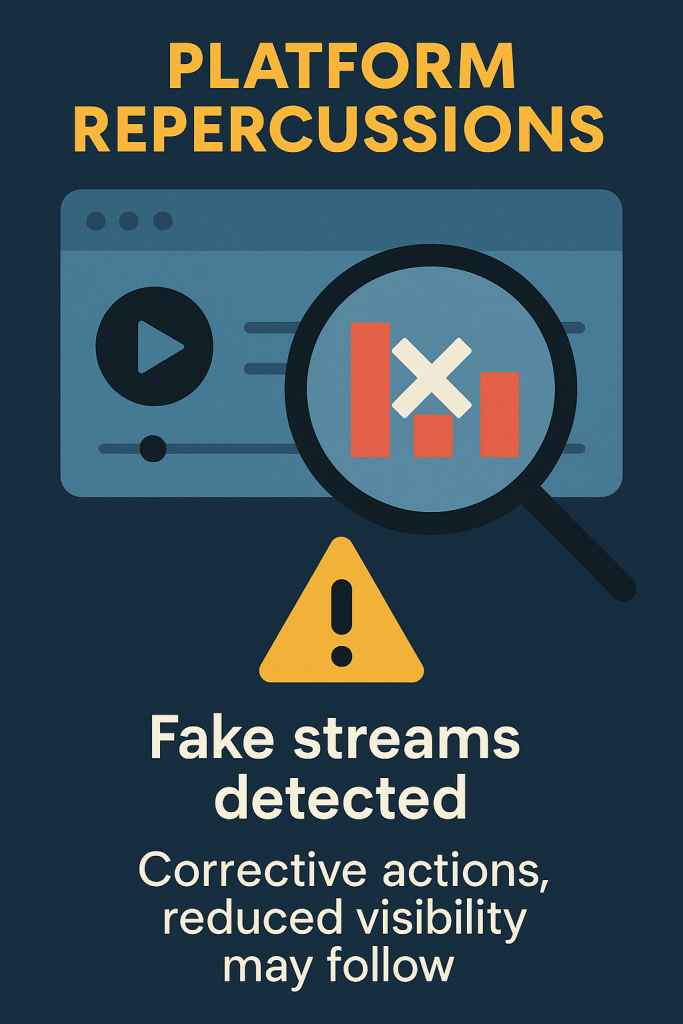
Streaming platforms like Spotify and Apple Music invest heavily in fraud detection. Their algorithms identify patterns—unusual listening behavior, geographic anomalies, sudden spikes—and they act fast. Artists caught engaging in artificial activity face serious penalties:
- Demotion in algorithmic recommendations
- Removal from editorial playlists
- Account suspension or deletion
- Forfeited royalties
Worse, a flagged account might never regain the same level of trust or exposure, regardless of future legitimacy.
Wasting Money on Smoke and Mirrors
Fake promotion isn’t just risky—it’s expensive. Artists can spend thousands on bots, fake playlists, or shady agencies with nothing to show for it. That same budget could fund:
- A music video
- PR outreach
- Tour expenses
- Social media advertising
- High-quality production and songwriting
These investments yield real, long-lasting connections with fans and industry professionals.
Legal & Contractual Fallout
Engaging in deceptive practices can violate the terms of service of platforms and even record label agreements. Penalties can include legal threats, contract termination, and the loss of intellectual property rights. In severe cases, artists can be blacklisted from future opportunities.
Building the Right Way: Real Strategies That Work
Instead of chasing vanity metrics, artists should focus on sustainable and ethical growth strategies:
- Organic Social Media: Share behind-the-scenes content, live Q&As, and stories.
- Collaborations: Work with other musicians to cross-pollinate audiences.
- Email Lists: Build direct fan connections outside social media platforms.
- Targeted Advertising: Use Facebook/Instagram ads to reach real music fans.
- Live Shows: Nothing beats the connection of a real performance.
- PR & Blogs: Reach out to journalists and reviewers who support new music.
Questions to Consider
- Have you ever been tempted by too-good-to-be-true promotional offers?
- How do you evaluate the legitimacy of services or agencies?
- What strategies have helped you build an authentic fan base?
Conclusion: Authenticity Always Wins
The digital age offers artists unparalleled access to audiences—but also unprecedented risks. While fake engagement may offer a brief boost, it ultimately undermines the trust, credibility, and sustainability that real success depends on.
The music industry is full of cautionary tales, but it’s also rich with stories of organic growth, integrity, and artistic longevity. For every Threatin, there are thousands of independent musicians building real careers the right way. Let that be the standard. Let that be the future.
Stay real. Grow smart. Play long.
References
Belam, M. (2018) Threatin: band creates fake fanbase for tour attended by no one. The Guardian, 12 November. Available at: https://www.theguardian.com/music/2018/nov/12/threatin-band-fake-fanbase-tour (Accessed: 23 November 2023)
 Insight Out